Passcode Font: A Handwritten Hero for Digital Campaigns
It’s 9 PM on a Thursday, and I’m finalizing the visuals for a product teaser campaign. The client wants something fresh, something that feels personal but still polished. I’ve tried a few options—clean sans serifs, bold display fonts—but nothing quite clicks. Then I remember Passcode. A script handwritten font with a confident, approachable vibe. It’s the kind of typeface that makes you want to lean in and read more.
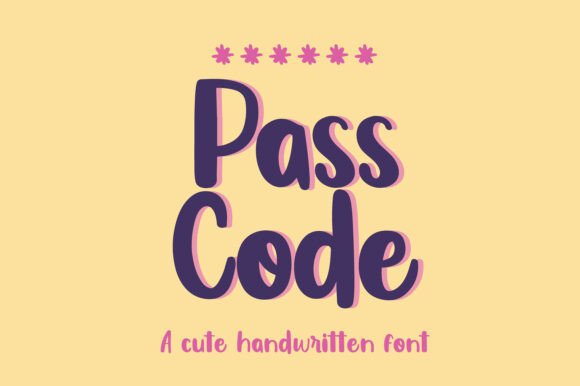
Passcode is a premium font that blends the warmth of hand-drawn lettering with the precision of digital typography. Its visual style is effortlessly elegant, with soft curves and subtle variations in stroke weight that give it a natural, human feel. It doesn’t shout, but it commands attention. This is a font that works well when you want to add a touch of personality without overwhelming the design.
Passcode in Action: From Teaser Graphics to Social Media Posts
For the product teaser, I used Passcode as the headline on a dark background with a gradient overlay. The font’s legibility on mobile screens was impressive—even at smaller sizes, the details held up. It didn’t get lost in the noise, which is a big win for a script font. The contrast between the dark backdrop and the soft white text made the message pop without feeling too harsh.
On Instagram, I paired Passcode with a clean sans serif for the body text. The combination created a nice balance—Passcode added character to the title, while the sans serif kept the rest of the copy easy to scan. It worked especially well for a series of quote graphics, where the font’s expressive nature helped convey emotion and energy.
Designing for Visibility: Thumbnails, Banners, and Email Headers
YouTube thumbnails are a tough space. You have milliseconds to grab attention, and every element has to be sharp and clear. Passcode performed well here when used for short labels or callouts. I designed a thumbnail for a webinar announcement using the font for the event title, and it stood out against the background without looking cluttered. The font’s natural flow gave it a friendly, inviting look that matched the campaign’s tone.
Email banners are another area where Passcode shines. I used it for a subject line and header in an email promotion for a seasonal sale. The font’s readability on screen was solid, and its organic feel added a personal touch that felt more authentic than a standard corporate font. It wasn’t overpowering, which is key for maintaining a professional yet approachable brand voice.
When to Use Passcode and When to Avoid It
Passcode excels in short, impactful text. It’s perfect for headlines, logos, social media captions, and promotional labels. If you’re designing a branded template pack or a set of digital assets, this font can help unify the look with its consistent yet expressive style. It also pairs well with other script or handwritten fonts, creating a layered, dynamic effect.
However, there are situations where Passcode might not be the best choice. Long blocks of text, dense infographics, or formal corporate materials could suffer from reduced legibility. The font’s decorative elements might become distracting if overused, especially in contexts where clarity and speed of reading are priorities.
Font Pairing and Practical Tips
When working with Passcode, consider pairing it with a complementary typeface. A simple sans serif like Montserrat or Open Sans can provide a strong counterbalance, making the script font stand out without clashing. For a more traditional look, a serif font like Playfair Display can add sophistication. In editorial design or packaging, combining Passcode with a modern typography system can create a visually rich yet cohesive aesthetic.
Before integrating Passcode into a campaign, check the included styles, alternates, and ligatures. These features can enhance the font’s versatility, allowing for more nuanced design choices. Also, make sure the font supports the languages and file formats needed for your project. Commercial licensing is important if you’re using it for client work or branded content.
Overall, Passcode is a versatile tool for marketers and designers looking to add a personal, handwritten touch to their campaigns. Whether you’re crafting a social media post, a YouTube thumbnail, or a webinar banner, this font offers a unique blend of charm and functionality that can elevate your visual storytelling. Just remember to use it strategically, keeping readability and context in mind at every step.